how to clean a trap bottle

Trap Bottle 101: What They Are and How to Care for Them

January 15, 2026

Trap bottles play a crucial role in protecting your suction regulators and central suction system. If you are new to Boehringer equipment or need a quick review, this guide is for you. It explains what trap bottles do, how they work, and how to clean them correctly.


What Is a Trap Bottle?

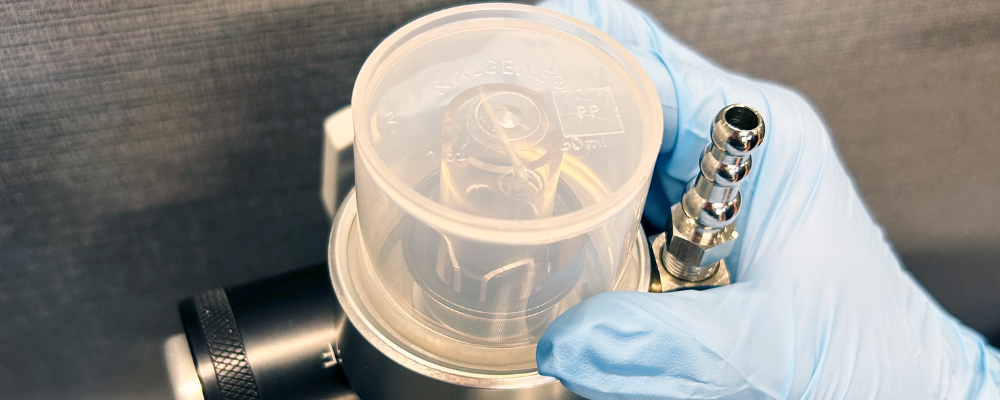
A trap bottle sits between your suction canister and your suction regulator. Its job is simple but important. It catches any fluid that accidentally spills or overflows from the suction canister. This prevents damage to the regulator or central vacuum system.

Why Trap Bottles Matter

Trap bottles prevent:

  • Fluid intrusion into the regulator, which can cause malfunction or contamination.
  • Damage to the central suction system, which can be costly and disruptive to patient care.
  • Operational downtime, since regulators exposed to contamination require cleaning or sterilization before returning to service.

How to Know When a Trap Bottle Needs Cleaning

If any fluid is visible inside the trap bottle, it needs to be cleaned immediately. Fluid in the trap means:

  • A canister has overflowed, or
  • Tubing was connected to the trap bottle instead of the canister

This visual cue is a built-in safeguard: the clear trap cup makes it easy for staff to spot contamination quickly.

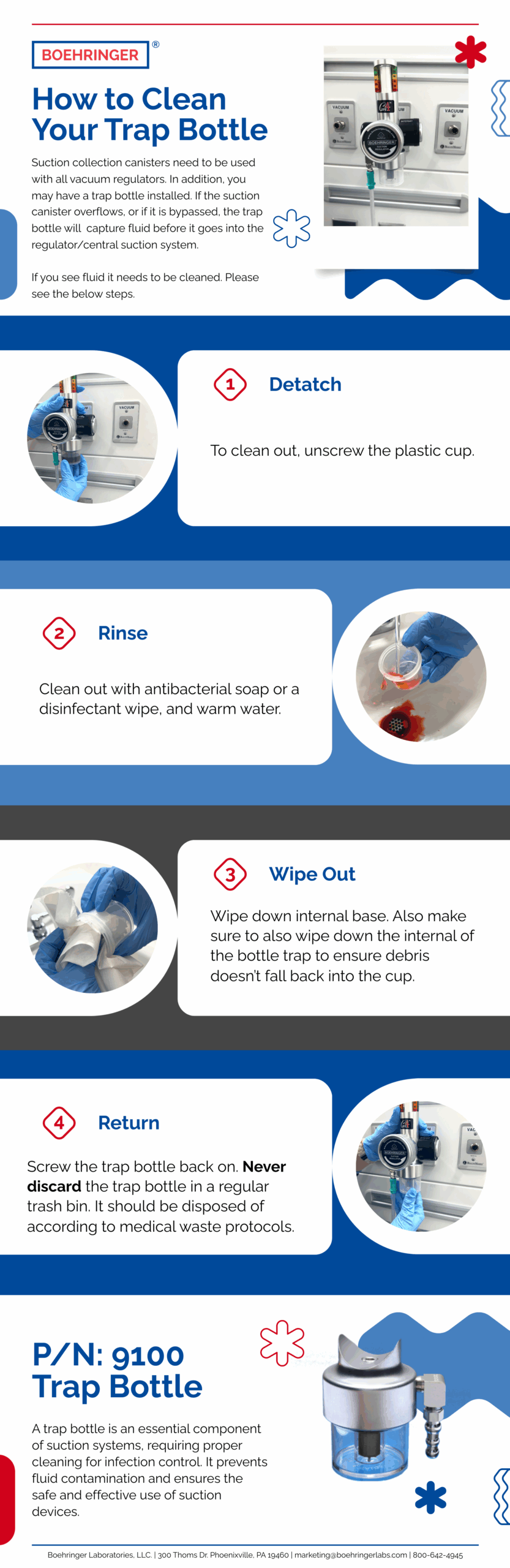
How to Clean a Trap Bottle (Step-by-Step)

  1. Unscrew the plastic cup from the trap bottle.
  2. Remove any fluid and dispose of it appropriately.
  3. Clean the cup using antibacterial soap or a disinfectant wipe, plus warm water.
  4. Wipe down the internal base of the trap bottle assembly.
  5. Reattach the plastic cup securely.
  6. If there is internal contamination, send it to Central Processing to be autoclaved

Important:

Do not throw away the trap bottle. These are reusable components designed for cleaning and reprocessing, not disposal.

When to Autoclave a Trap Bottle

Autoclaving is recommended when:

  • There is evidence of fluid intrusion, such as significant contamination.
  • The hospital’s protocols require sterilization rather than simple surface cleaning.

Our Processing Guide outlines the validated autoclave cycle:

  • Pre-vac cycle
  • 132°C (270°F)
  • Minimum 4-minute exposure
  • 10 minutes minimum dry time, though actual times may vary

Best Practices for Preventing Fluid Intrusion

To keep your trap bottle clean and your regulator protected:

  • Always connect suction tubing to the canister, not directly to the trap bottle.
  • Monitor the canister level frequently during procedures.
  • Replace full canisters promptly to prevent overflow.
  • Train staff to recognize the automatic shutoff indicator. You can find it in the visual on page 5 of the 3800 Series – User Manual.
  • Check the trap bottle for visible moisture before every use.
  • Click Here for an infographic for more tips

For more information and best practices for cleaning our suction regulators or accessories please visit Suction Regulator Support – Manuals & Troubleshooting.

Related Articles

Applying an External Catheter for Women: Beginner’s Guide

Some quick example text to build on the card title and make up the bulk of the card's content.

Read More
Indocyanine Green (ICG) in Bariatric Surgery

Some quick example text to build on the card title and make up the bulk of the card's content.

Read More

Nurse Burnout: Overworked and Understaffed

Some quick example text to build on the card title and make up the bulk of the card's content.

Read More